

How To Change Giro Article Goggle Lenses
The Best Ski and Snowboard Goggles of 2021/22
THE BEST SNOW GOGGLES FOR SKIING, SNOWBOARDING, AND WINTER SPORTS
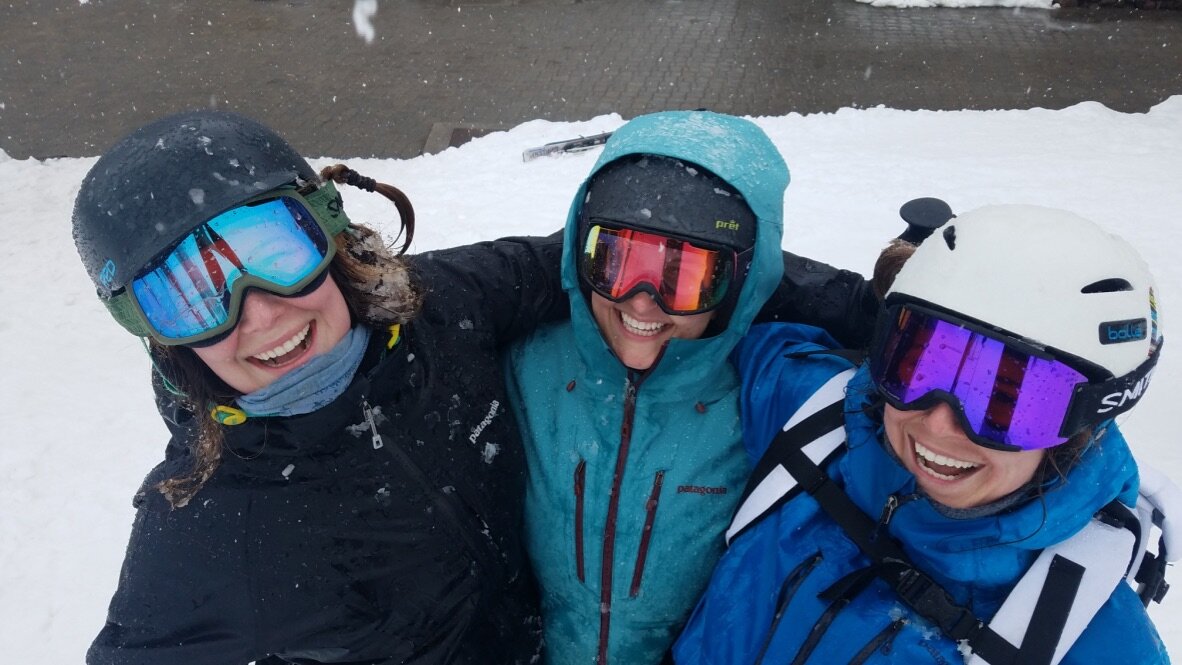
Ski goggles might be one of the most undervalued pieces of snow sports gear. All it takes is one good powder shot to the face or skiing through a stinging ice storm to realize how important they are. Whether you're making your first investment in snow sports, dedicated to upping your game, or looking for classic gold standard ski or snowboard goggles that will serve you for many years, we break down the top models.
We analyzed data from professional review sites, read hundreds of customer reviews, interviewed snow sports professionals, and considered our own personal experiences to compile a list of the best snow goggles for skiing, snowboarding, and other winter activities. We also offer advice to help you choose the best ski goggles for your face size and shape, give tips for glasses wearers, and teach you how to select the right lens type and color to best suit your intended use.
We participate in affiliate programs and may receive a commission on qualifying purchases.
The Best Ski Goggles
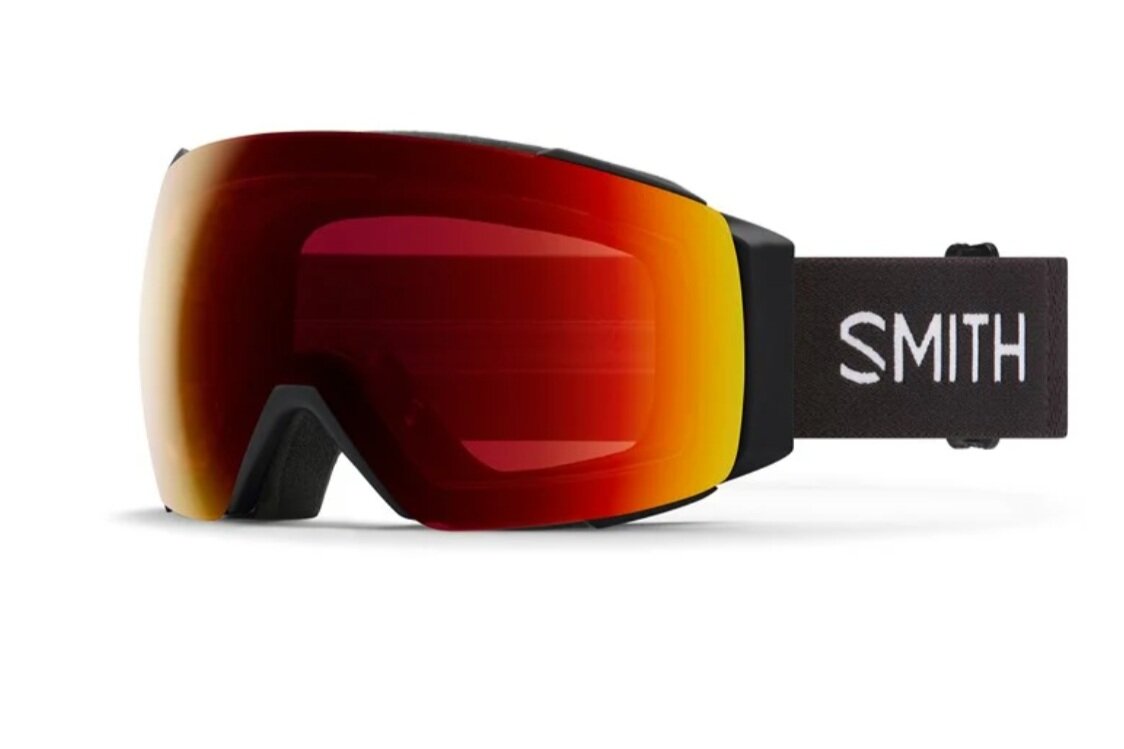
Smith I/O Mag Chromapop
Read why→
The Best Upgrade Ski Goggles
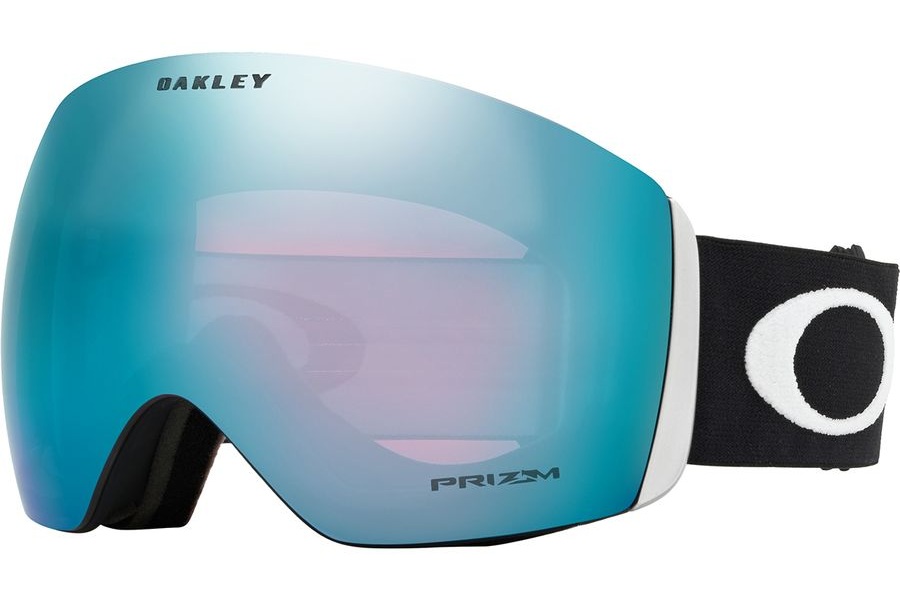
Oakley Flight Deck
Read why→
The Best Budget Ski Goggles
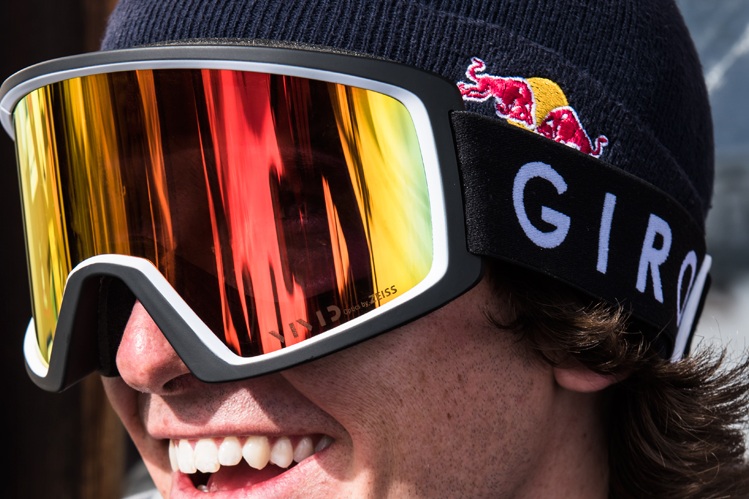
Giro Blok
Read why→
Ski goggle comparison table
| Snow Goggles | AWARD | Price | Helmet Compatible? | Frame Sizes Available | Lens Type | Quick Change Lens System? | Lens Tech | Face Foam |
|---|---|---|---|---|---|---|---|---|
| Smith I/O Mag | Best Overall | $110-$200 | Y | Smal to XL, Asia Fit | Spherical | Y | ChromaPop TLT | Triple layer |
| Oakley Flight Deck Prizm | Best Upgrade | $170-$220 | Y | Medium, Large, Asian Fit | Spherical | N | Plutonite | Triple layer |
| Giro Blok | Best Budget | $50-$120 | Y | Large | Cylindrical | N | Zeiss | Triple layer |
| Giro Contact | Runner Up | $250-$260 | Y | Large | Spherical | Y | Expansion View/Zeiss | Triple layer |
| Smith I/O Chromapop | Former Winner | $110-$200 | Y | Small to XL, Asian Fit | Spherical | Y | ChromaPop TLT | Triple layer |
| Anon m3 | $230 | Y | Medium | Cylindrical | Y | Zeiss | Triple layer | |
| Anon M4 Toric MFI | $300 | Y | Large | Toric and Cylindrical | Y | Zeiss, ICT | Triple layer | |
| Smith 4D Mag | $300 | Y | Medium, Large | Spherical | Y | ChromaPop | Triple layer | |
| Julbo Aerospace | $260 | Y | Large | Spherical | N | REACTIV Photochromic Spherical Double Lens | Double layer | |
| Julbo Cyrius | $230 | Y | Medium | Cylindrical | N | Reactive photochromic lens | Double layer | |
| Dragon X2 (discontinued) | $99-220 | Y | Medium to small | Spherical | Y | Super Anti-Fog Technology Spherical Lens | Triple layer | |
| POC Orb Clarity | $250 | Y | Medium | Spherical | Y | Zeiss | Triple layer | |
| Smith Skyline (discontinued) | $60-$190 | Y | Medium, XL, Asian Fit | Spherical | N | ChromaPop | Triple layer | |
| Smith Range | $45-$75 | Y | Large | Spherical | N | Carbonic-X | Double layer |
SOURCE: Manufacturers
The Best Ski Goggles

THE BEST SKI GOGGLES FOR MOST PEOPLE: SMITH I/O MAG WITH CHROMAPOP LENS
Helmet Compatible: Yes
Sizes Available: Small/Women's Sizing to XL, Low Bridge/Asian Fit (note: M and L sizes are listed as "I/O Mag." Other sizes are listed as different products e.g. "I/O Mag XL" or "I/O Mag S," but are the same model, just in a different size.
Lens Shape: Spherical
Quick Change Lens System: Yes, magnetic
Lens Tech: ChromaPop TLT
Face Foam: Triple layer
The Smith I/O Mag, with its magnetic interchangeable lenses, ChromaPop technology, and effortlessly sleek design, quickly became regarded as the gold standard of goggles for folks who ski more than 10-14 days every year. The Smith I/O Mag features a spherical lens shape, comes with two differently tinted lenses, and is available in the most sizes of any goggle we considered.
The Smith I/O is the gold standard for ski goggles.
The similar Smith I/O Chromapop (see review below) has been our winner three years in a row for its price, versatility, and ease of use in a variety of snow conditions.
But for the 2021 season, Smith released the I/O Mag, which builds on the success of the I/O Chromapop. It adds a magnetic lens change system that has revolutionized an already industry-leading ski goggle. The newer Smith I/O Mag costs a little more, but its an upgrade well worth it for those who want a quality goggle that will last many years on the snow.
We aren't alone with liking the Smith I/O Mag. It has plentiful glowing reviews on Evo, Backcountry, and REI and is consistently mentioned by publications such as Outside and Powder and has the highest reviews of almost any goggle from Switchback Travel, Outdoor Gear Lab.
We aren't often swayed by the "newest and greatest" but after a season of testing, were impressed Smith I/O Mag. To be fair, Smith has an even "newer and greater" model, the 4D Mag, but we think for the price the Smith I/O Mag hits that sweet spot balancing the features of a premium goggle and price, making it our overall winner.
Size availability
The Smith I/O Mag is available in the widest array of sizing. That's one reason why we think it's a good choice as a women's goggle because many models are only available in size Large. However, one complication with the Smith I/O Mag is that each size is sold under a slightly different model name:
Small/Women's: I/O MAG S
Medium/Large: I/O MAG
Low Bridge/Asian: I/O MAG Low Bridge
Extra Large (new for 2021 season): I/O MAG XL
For the 2021 season, Smith added the I/O Mag XL for those who prefer a larger-framed option. This is the product that comes with me in bounds and in the backcountry.
Trying to decide between the Smith I/O Mag and our upgrade winner, the Oakley Flight Deck? See our section on that discussion below.
Smith I/O vs Smith I/O Mag
Both last year's winner, the Smith I/O and this year's winner, the Smith I/O Mag, are great ski goggles that use Chromapop technology. But we prefer the new I/O Mag because of its magnetic lens attachment technology. It adds $40, but for people who ski often, we think it's worth it. In our experience, it's time consuming to switch out the regular I/O line's lenses. We think it is worth it to pay a little extra for the fast lens change, especially since these goggles will last multiple seasons of use.
Chromapop lens technology
What sets Smith goggles apart from the competition is their proprietary ChromaPop technology. ChromaPop lenses make colors pop, providing the kind of definition you'd see on a ski magazine cover. This lens technology filters specific light crossovers to allow natural color and clarity to shine, rather than overwhelming and overblown light.
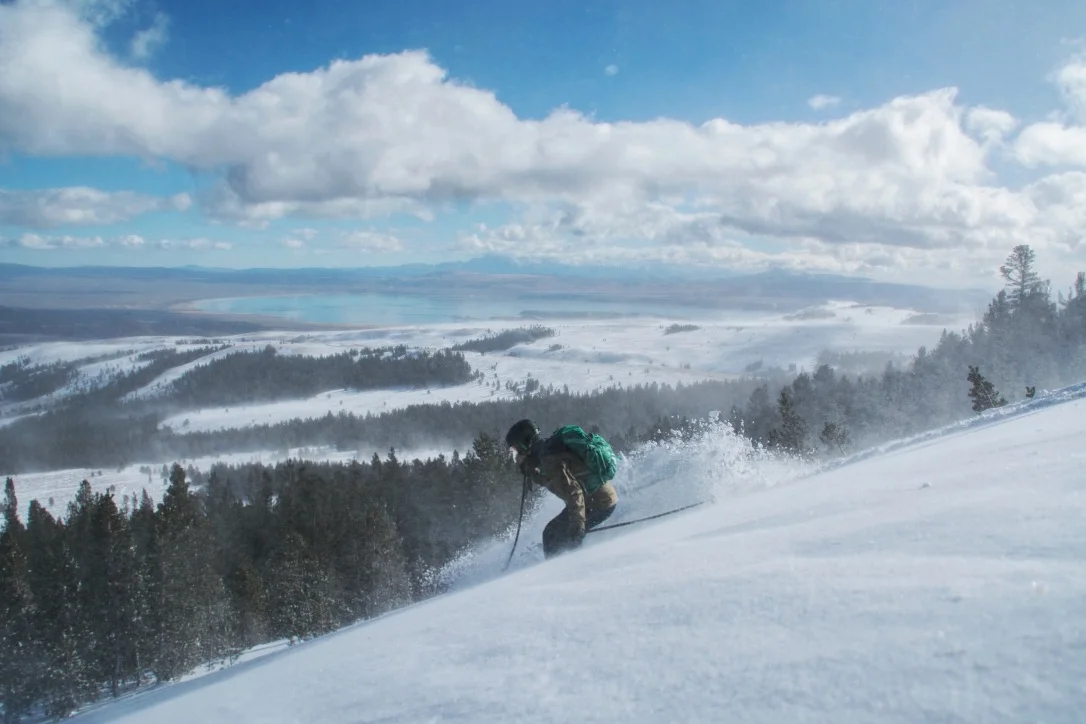
The author skiing in the Smith I/O Chromapop at Palisades Tahoe, California. Photo courtesy Jill Sanford.
The ChromaPop lens technology found in both the I/O and I/O Mag with quick release is considered among the top of the line across brands.
What does that mean for you when you're skiing? It means you won't just see a white sheet going down the mountain; you'll be able to pick out every contour (including those annoying little bumps and divets in the middle of your smooth run), every fall line, and every indent for safer skiing and riding.
Plus, the mountains will look brighter. As one of our testers, Treeline writer and ski professional, Matt McDonald, said, "It's like Instagram for your face."
I usually always carry two extra lenses to swap on the chairlift if I need to, rather than check the weather report ahead of time. The Smith I/O goggles come standard with a bright light and a lowlight lens option, and on the mountain, your light conditions can change in a heartbeat.
Now, after almost a year on the market, the Smith I/O Mag has generated a following of expert gear reviews and everyday users alike. This is unsurprising. After all, the previous non-magnetic version, the Smith I/O Chromapop, has by far has the most reviews of any ski or snowboarding goggle on on the popular online snowsports retailer, Evo. This means that it's the model that people who spend a lot of time skiing and riding are buying and talking about the most. While there are more premium goggles out there, we think the Smith I/O Mag, with quick release lens change and Chromapop technology, does the best job of delivering the features you want for the price.
Related: The Best Ski Backpacks
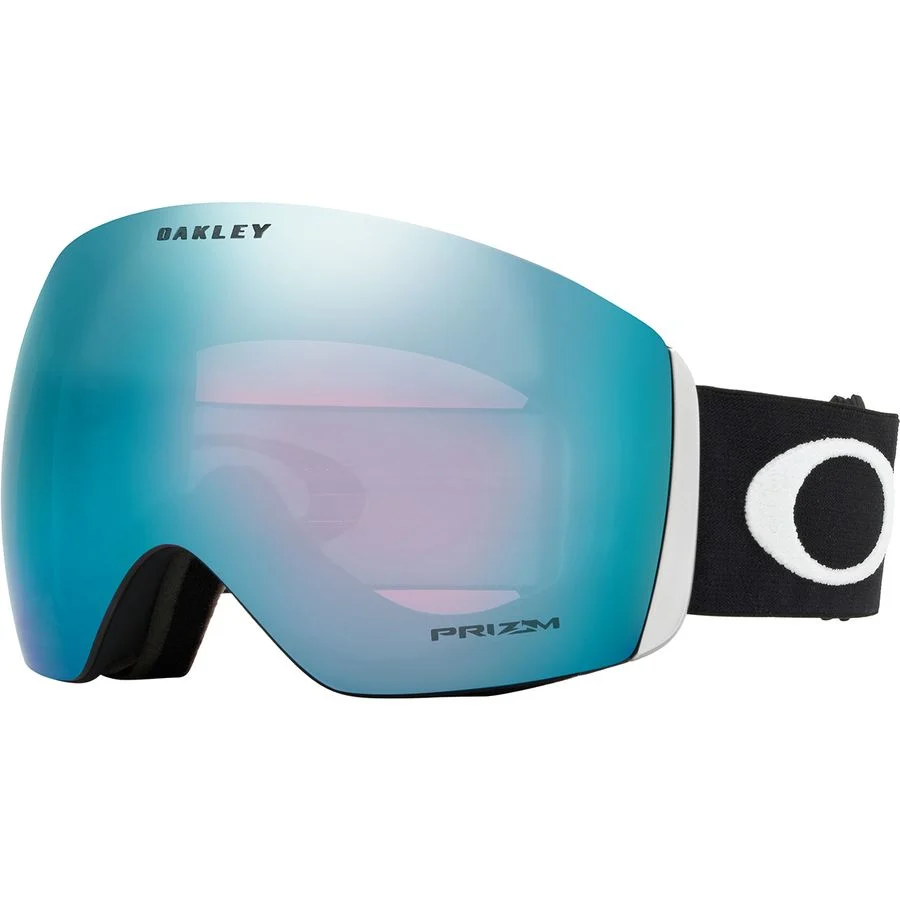
The UPGRADE SKI GOGGLES: OAKLEY FLIGHT DECK WITH PRIZM LENS
Helmet Compatible: Yes
Sizes Available: Medium, large, Asian Fit
Lens Shape: Spherical
Quick Change Lens System: No
Lens Tech: Plutonite
Face Foam: Triple layer
With its oversized (and what skiers and riders might call stylish or "steezy") lens, the Oakley Flight Deck Prizm will definitely turn heads and make you look like the best skier on the mountain. All jokes aside, this snow goggle doesn't just look good; it also performs.
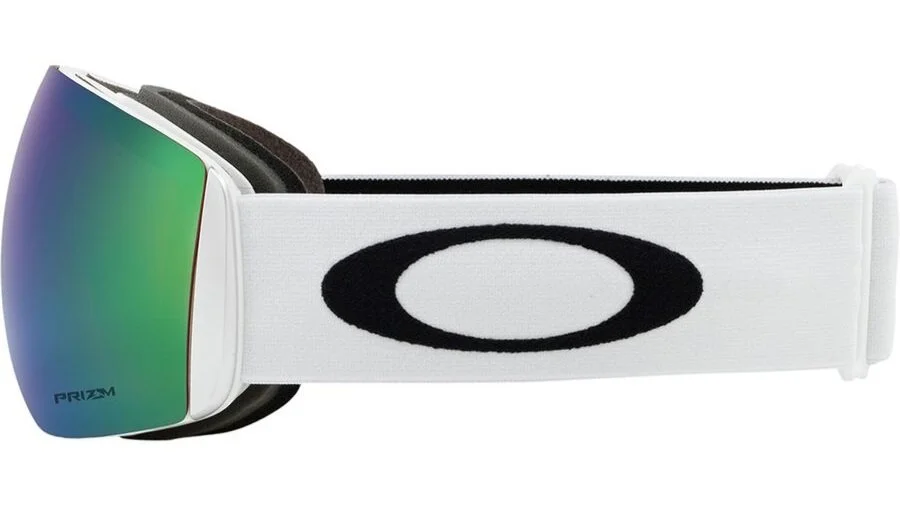
Aside from offering one of the largest fields of view on the market, the oversized lens also accommodates an over the glasses (OTG) fit.
It's also considered to be the best snow goggle out there for folks who like seeing what's in their peripheral vision.
The lens tint and technology are almost on par with Smith's Chromapop. Oakley uses specifically-engineered dyes that allow the lens to strategically manipulate the light to your eyes, so you see only the best in each environment (snow, grass, water, etc.).
This goggle is rimless, giving it a seamless and futuristic look. Trying to decide between the Smith I/O Mag and our upgrade winner, the Oakley Flight Deck, see our section on that below.
The Oakley Flight Deck with Prizm lens beat out other contenders because it comes highly recommended by ski patrollers and search and rescue team members out of the Tahoe area who ski over 100 days each season. It's also a favorite of customer reviewers and professional reviewers.
Related: How to Get Started Backcountry Skiing
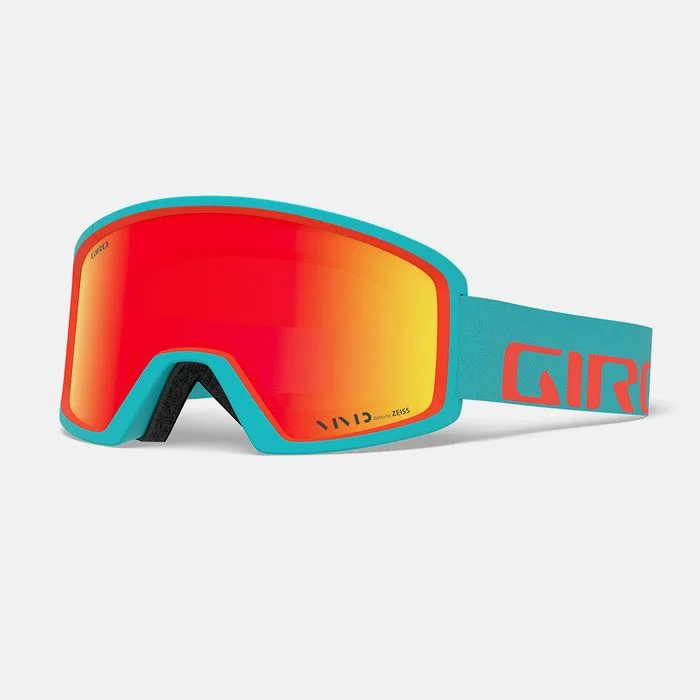
BEST BUDGET SKI GOGGLES: GIRO BLOK
Helmet Compatible: Yes
Sizes Available: Large
Lens Shape: Cylindrical
Quick Change Lens System: No
Lens Tech: Zeiss
Face Foam: Triple layer
The Giro Blok is priced right for folks who are brand new to the sport and/or plan to ski about 3-7 times in a season. What we like about it is that you're saving about half of what you would spend on mid-range goggles, but you're investing in something that will last for a few seasons. The Giro Blok are the best value ski goggles or the best goggles for beginners.
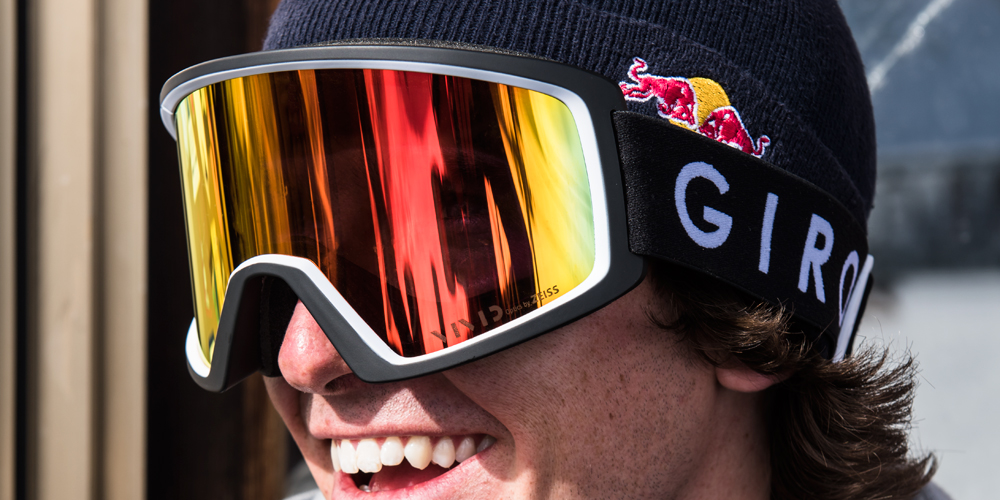
The Giro Blok has a cylindrical shape compared to the spherical shape found in more expensive goggles.
While it's tempting to cut corners financially in this really expensive sport, the Giro Blok will hold up and is worth the investment.
We recognize that there are other, more inexpensive goggles available in the $40-70 range that beginners might be tempted to buy. But for a little more money, the Giro gives users something that will last several seasons - which you won't find in less expensive goggles.
Related: Best Winter Gloves
The Bloks are well-loved for their retro design, impressive expansion view (i.e., wide lenses), and anti fogging coating. This design also comes in Asian fit (although the lens color options are unfortunately limited).
The Giro's only cons are that it is relatively basic compared to higher-end models. It comes with just one cylindrical lens. It also has a less-sophisticated design in terms of its ventilation, lens technology, tint, and anti-fog coating. Still, we think that the Giro Blok is a solid choice that beginners can grow into. This cylindrical goggle will continue to serve skiers well as they advance in the sport.
Related: How to Ski and Snowboard with your Dog
Contenders

Smith I/O Chromapop
Helmet Compatible: Yes
Sizes Available: Small to XL, Asian
Lens Shape: Spherical
Quick Change Lens System: Yes
Lens Tech: Chromapop TLT
Face Foam: Triple layer
The Smith I/O was our former Overall winner for the past three years. But with the release of the Smith I/O Mag, we think that you're better off spending a little extra for the newer technology. The Smith I/O has all the same features we love of the Smith I/O Mag—just without the magnetic quick release lens system. As a result, you can usually find it on sale, especially if you're ok with last year's colors. It's still a good option if you are on a budget.

GIRO CONTACT
Helmet Compatible: Yes
Sizes Available: Large
Lens Shape: Spherical
Quick Change Lens System: No
Lens Tech: Expansion View/Zeiss
Face Foam: Triple layer
Another of our gear testers tried out the Giro Contact Goggles last season after four years of the Smith I/O Chrompopo Goggles, and she swears that she'll never go back: "The clarity, ease of switching lenses, and the uber-comfy fit made me want to keep skiing even after the lifts stopped turning." While the price is higher than the Smith I/O Mag's ($250 MSRP), we think it's worth it, if you're willing to drop the cash.
Both the Smith I/O Mag and Giro have quick lens release technology. The Giro uses SnapShot spherical lens technology (which is a mix of a shutter button, self-guiding magnets, and self-locking attachments) that is incredibly easy to change out, even with frozen fingers on a swinging chairlift.
The lenses are expanded for even wider views of the mountain, and each purchase comes with two premium VIVID lenses with super-sharp Zeiss Optics. You'll see the slopes like they were painted for you. They won't fog, even slogging uphill in a blizzard, and fit seamlessly with every helmet our tester tried. (It also fit smaller-faced humans well without fogging!) The Contacts earned an Editor's Choice from Freeskier Magazine for a reason.

Anon m4 Toric
Helmet Compatible: Yes
Sizes Available: Large
Lens Shape: Toric and Cylindrical
Quick Change Lens System: Yes
Lens Tech: Carbonic-X
Face Foam: Double layer
The Anon M4 Toric MFI has high ratings from Switchback Travel, Outdoor Gear Lab, and Powder Magazine and is a bestseller at Evo. This premium goggle is known for its fast Toric lens change and excellent field of vision. However, at $300, it's above the price range we set for this guide. Still, we think that if you are in the market for a premium goggle, the Anon M4 Toric is an excellent choice.

Smith 4D Mag
Helmet Compatible: Yes
Sizes Available: Medium, Large
Lens Shape: Spherical
Quick Change Lens System: Yes
Lens Tech: Chromapop
Face Foam: Triple layer
The Smith 4D Mag goggles are ranked well at Outdoor Gear Lab, Switchback Travel, Gear Junkie, and Evo, though generally not as highly rated as the Anon 4D Toric. The Smith 4D MD Mag has a good build and visibility. However, it is 1/3 more expensive than Smith's I/O Mag, our overall winner. Many customers don't think the extra cost is justified by being that much better than the I/O Mag goggles. If you're a fan of the Smith I/O Mag and have extra money for a better goggle, you'll likely enjoy this goggle. But otherwise, we recommend purchasing the tried and true Smith I/O Mag (our overall winner, see review above) instead.

Julbo Aerospace OTG Ski Goggles
Helmet Compatible: Yes
Sizes Available: Large
Lens Shape: Spherical
Quick Change Lens System: No
Lens Tech: REACTIV Photochromic Spheric Double Lens
Face Foam: Double Layer
The Julbo Aerospace OTG Ski Goggles is a simple yet effective snow goggle that received high reviews from Switchback Travel, Outdoor Gear Lab, Powder, and Outside Magazine. OTG refers to Over the Glasses ski goggles, making it appropriate for folks who don't want to pay extra for prescription snow goggles.
However, the Aerospace is sold with one lens. The lens it comes with runs dark, so lacks the vibrant colors and brightness we saw in other goggles. It also doesn't have a quick change lens system. The Julbo Aerospace also only available in Large, which is a downside for inclusive sizing. Lastly, it's the same price as the Smith I/O Mag Chromapop. We think for the money, you're better off going with the Smith I/O Mag, our overall winner (see review above).

Julbo Cyrius
Helmet Compatible: Yes
Sizes Available: Medium
Lens Shape: Cylindrical
Quick Change Lens System: No
Lens Tech: REACTIV Photochromic Spheric
Face Foam: Double Layer
The Julbo Cyrius is a ski goggle that was liked by Powder and outdoor Gear Lab known for its excellent lens, medium fit, and flexible frame. However, it comes with fixed lens (so no quick release, either). Although it's less expensive than some other snow goggles we considered, the Julbo Cyrius is still more than $200. We think you'd be better off paying a little extra for the Smith I/O Mag.
OAKLEY FLIGHT DECK VS. SMITH I/O MAG: WHICH SHOULD I GET?
There's a lot to love in both the Oakley Flight Deck and the Smith Mag I/O - that's why they both won awards and are highly recommended by our testers and writers.
Still, if you're choosing between the two, here are a few questions you can ask yourself that may help make the choice easier.
DO YOU WEAR GLASSES?
Most skiers who wear prescription glasses seem to enjoy the fit of the OTL goggle Oakley Flight Deck better than the Smith I/O Mag, according to customer reviews. It provides more space for glasses of all sizes and shapes, whereas some Smith users found their frames wouldn't fit over their glasses. If you prefer prescription ski goggles, several brands worked with optometrists to create prescription lens. Our overall winner, the Smith I/O Mag, is available as prescription ski goggles. Additionally, Smith, Bolle, Julbo Aerospace OTG Snow Goggles, and the Julbo Aerospace Snow Goggles.
HOW OFTEN WILL YOU BE CHANGING LENSES?
Most Smith users like how easy it is to change lenses--whether they're going night skiing or adjusting for a cloudy or super sunny day. Many skiing goggles don't come with spare lens, so if you plan to be switching out often, you'll have to buy an additional lens, too.
HOW WIDE OF A FIELD OF VISION DO YOU LIKE?
Of all the snow goggles we researched, the Oakley Flight Decks offer one of the widest fields of vision available. This means they provide better peripheral vision, which won't make you feel like you're wearing blinders. This is important if you'll be skiing busy resorts or are watching out for backcountry obstacles.
WHAT ARE THE BEST SNOWBOARD GOGGLES?
We use the term "snow goggles" in this review to include both skiers and snowboarders. Similarly, REI uses the term ski/snowboarding goggles to encompass the overlap. Other outdoor media outlets that we consulted treats them the same.
We would add that for snowboarding, peripheral vision should be a feature to prioritize. The best snowboarding goggles are the ones that fit snugly and stay in place, with a good anti fog coating, and protect your eyes from harmful UV rays. Those criteria were the same we used to judge all of our recommended snow goggles.

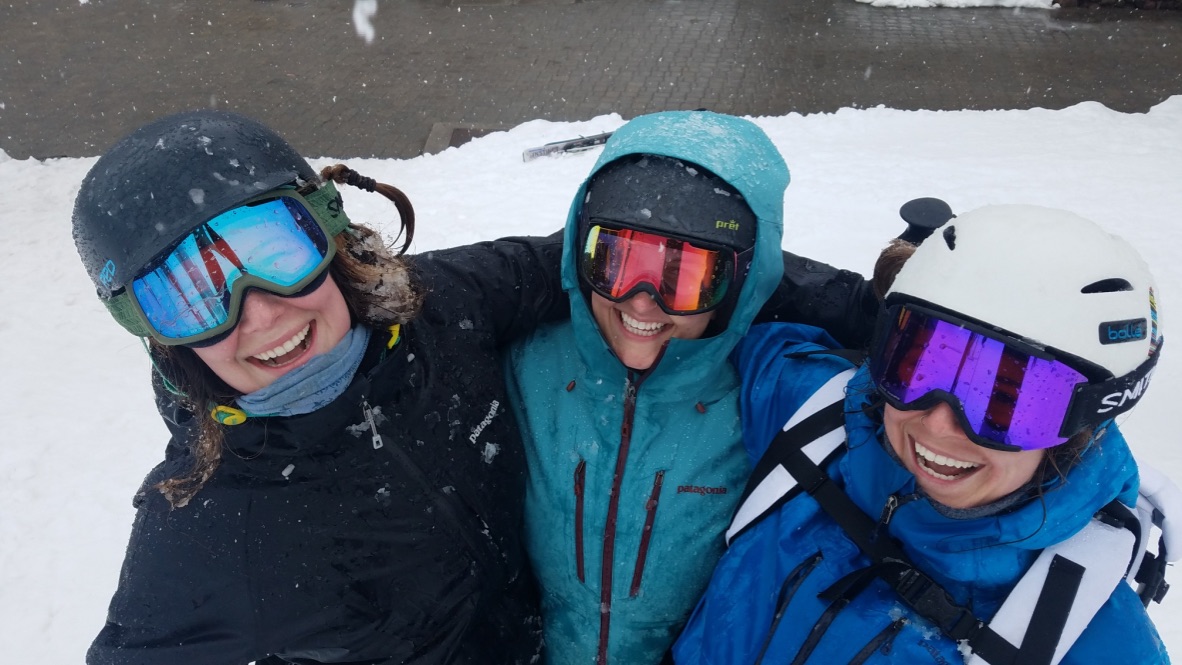
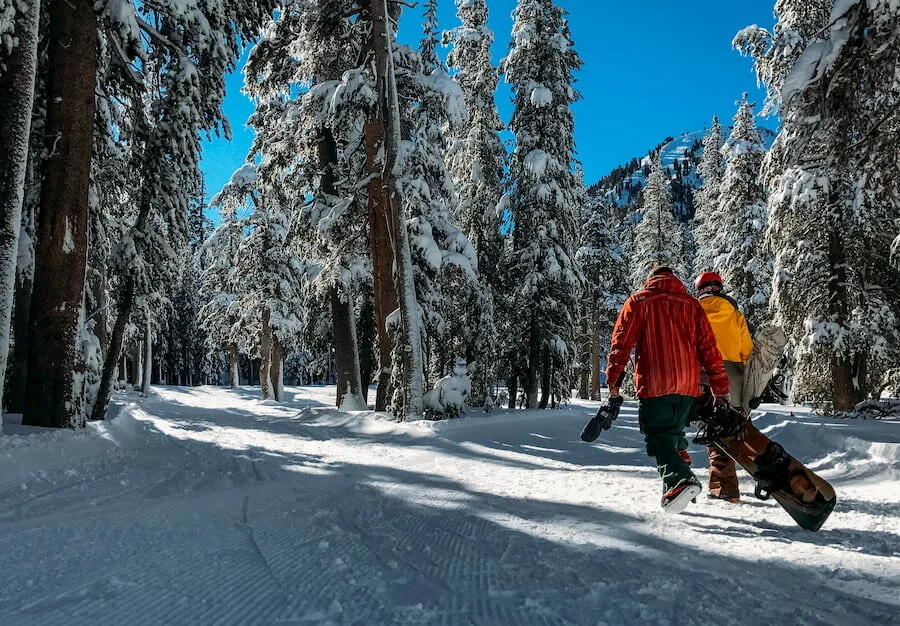
The author enjoying a great day on the mountain.
ABOUT THE AUTHOR & WHY YOU SHOULD TRUST US
As an avid skier both in bounds and at the resort, I ski well over 40 days a year and write about the experience as well as the gear I take with me on the slopes for outdoor publications, including Outside, SNEWS, and Outdoor Project. I live in Truckee, California, and ski primarily at Squaw Alpine and in the surrounding backcountry of the Sierra.
I've tried my fair share of faulty goggles-some where fogging is an issue, others that were too dark or too light for the harsh lighting skiers and riders often encounter in the mountains. Not only do the wrong lenses or faulty goggles put a dent in the fun snow sports bring, but they can also be dangerous. Hitting an uneven patch of snow or an unseen feature can have huge consequences for everyone from beginners to advanced.
I also learned to ski (well, ski well, that is) as an adult, which means I remember well the transition from friends' hand-me-downs or cheaper gear to equipment that can actually keep up with me as I transitioned from a beginning intermediate to an advanced skier.
You can follow me on Instagram, Twitter @jillcsanford, or on my website.
WHAT COLOR SNOW GOGGLE LENS SHOULD I GET?
Evo put together this guide to help point you decide which goggle lens to get for what conditions you are skiing. While this guide is tailored towards Smith goggles, as a rule of thumb, it applies to all brands.
Remember: It's not just the color of your lens that matters, but the technology.
Here's a quick rule of thumb:
SUNNY/BRIGHT LIGHT
Platinum mirrored lens or black-out lens are the best for bright conditions. Look for low VLT (visible light transmission) percentage; less than 10% is best for bluebird days.
PARTLY CLOUDY
Everyday red or green lenses are good for these intermediate conditions. VLT percentages between 10% and 20% are great.
NIGHT SKIING
Clear or yellow lenses are the only choices you want for dark skiing! You need all the light you can possibly get while night skiing, so these filter out very little.
CLOUDY/LOW LIGHT
30%-40% VLT lenses are key for this kind of light. Amber lenses and the most contrast (Chromapop, Prizm, etc.) boost available will help you with definition on the slopes.
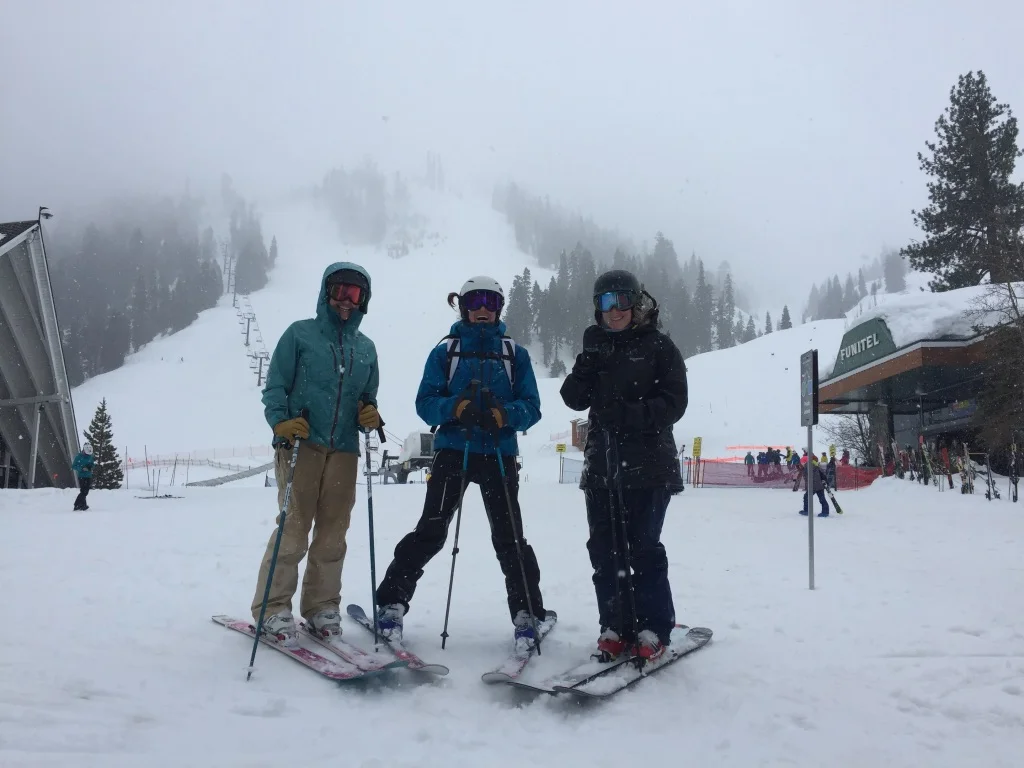
The author skiing with friends on a foggier day in Squaw Valley, California. Photo courtesy Jill Sanford.
HOW WE RESEARCHED AND TESTED
Our winning selections are goggles that perform well, excel in comparison to goggles in a similar price range, and offer the right technology to hold up on the mountain in a variety of light conditions. To narrow it down to top contenders from a list of over a dozen, we looked at the general reputation of the product, customer reviews, and top gear publications. We then factored in that information with our own personal experience on the mountain to narrow it down.
Because skiing and snowboarding are such expensive sports and each piece of gear is so important, we tried to steer clear from the most expensive models marketed as a "premium goggle," although they perform great.
After your helmet and soft goods like gloves, socks, and perhaps even clothing, your goggles will be the least expensive piece of gear you purchase when you first get into snow sports. While we believe that you should buy goggles that will last, we also think there's no reason for beginners or those who don't get out at least ten days every season to empty their wallets on this piece of gear.
We consulted numerous third-party gear reviewers from leading outdoor publications like Outside Magazine, Powder Magazine, Outdoor Gear Lab, Switchback Travel, Gear Junkie, and many others (see Sources). These expert opinions helped me define what technology and features are state-of-the-art in this category. Where these reviews focus primarily on higher-end products, our recommended winners at Treeline reflect a broader overview of what each goggle manufacturer has on the market in 2021-2022.
We also factored in customer reviews and considered major retailers like Evo, REI, Backcountry, and Amazon.
The most influential reviews, however, were informal, word-of-mouth recommendations from ski professionals. Outdoor retail sales associates, ski guides, ski patrollers, and search and rescue team members weighed in on the three models below.
Aside from my own experience on the hill, I consulted snow sports retailers and ski instructors to survey the most popular goggle options for skiers and riders. I compiled a list of a dozen popular options and whittled it down from there to select the best options for three types of skiers and riders.
For more information on the models we considered, see our comparison chart. Additional testers used their expertise in the snowsports industry, as well as their own experience in both ski resorts and backcountry skiing, to provide a real-time review of their favorite goggles.
This review features middle- and budget-option models as well, so that folks newer to the sport or who spend fewer than 10 days on the mountain each winter can also find an affordable yet functional product that works best for them.

There's no such thing as the best pair of goggles, just the best pair for you. Photo by Fezbot2000 on Unsplash
The most influential reviews, however, were informal, word-of-mouth recommendations from ski professionals. Outdoor retail sales associates, ski guides, ski patrollers, and search and rescue team members weighed in on the three models below.
Aside from my own experience on the hill, I consulted snow sports retailers and ski instructors to survey the most popular goggle options for skiers and riders. I compiled a list of a dozen popular options and whittled it down from there to select the best options for three types of skiers and riders.
For more information on the models we considered, see our comparison chart. Additional testers used their expertise in the snowsports industry, as well as their own experience in both ski resorts and backcountry skiing, to provide a real-time review of their favorite goggles.
This review features middle- and budget-option models as well, so that folks newer to the sport or who spend fewer than 10 days on the mountain each winter can also find an affordable yet functional product that works best for them.
WHAT TO LOOK FOR IN A SKI GOGGLE
When it comes to snow sports, goggles might be one of the most undervalued pieces of gear. Folks new to the sport might not realize just how important they are. Not only do goggles keep your eyes protected from harmful UV rays and snowblindness just like sunglasses would, but they also come with various lens shades and treatments to make it easier to see bumps in the snow or other features that might trip you up and lead to injury. Plus, zooming downhill means the wind will cause you to tear up if you're only wearing sunglasses; goggles will also protect your face from the sun, wind, and other extreme alpine conditions. Whether you are a downhill skier or snowboarder, you're going to need goggles to stay safe and comfortable on the mountain.
A lot of research goes into finding the perfect goggle - including how to fit them to your face and ski helmet, and matching a lens to your skiing or riding conditions.
Here's a list of all the features we took into consideration when selecting our winners.
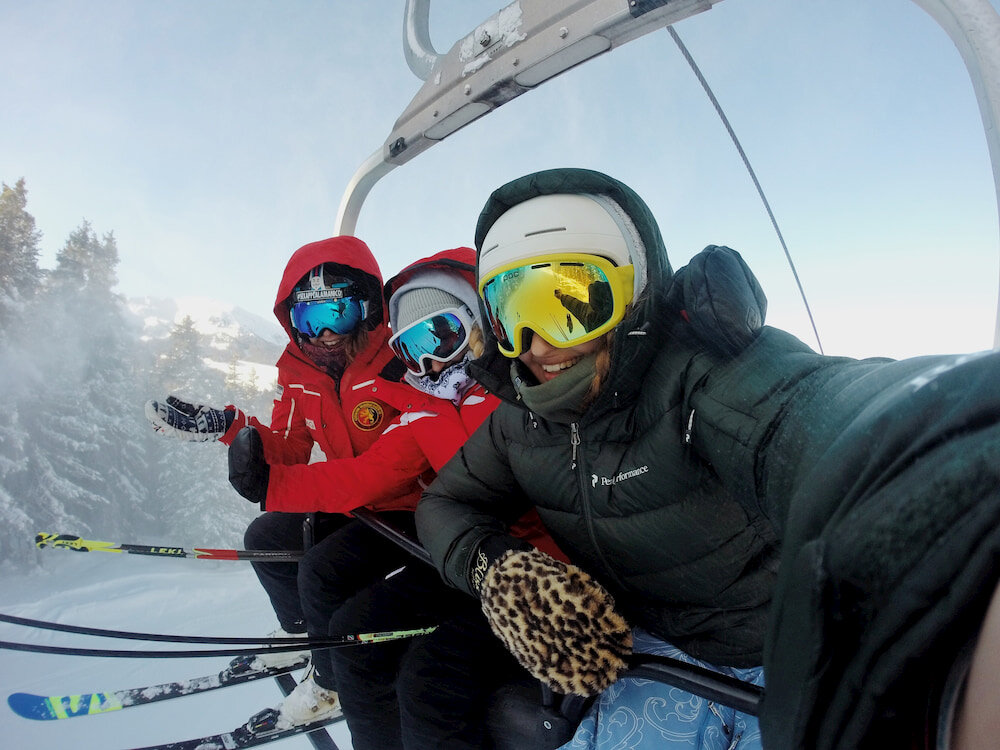
Lens tint is arguably the most important feature of a goggle—and that doesn't necessarily mean color. Photo by Emma Paillex on Unsplash
LENS TINT
Arguably the most important feature on a goggle, lens technology is also one of the determining factors in the price for any given pair of goggles. The basics of lens tints are pretty obvious: dark lenses are better for sunny days. Lighter tints will serve skiers and riders better on stormy days, or when it's cloudy.
But lens tint also helps with UV protection. As with sunglasses, look for a skiing goggle with UV protection. Thanks to modern technology, ski goggles can get pretty sophisticated when it comes to visible light transmission or VLT. The lower the VLT, the better they are for bright conditions. For example, if you like skiing on sunny, bluebird days, you would be best served by a lens with less than 25% VLT. If you are a powder hound or don't mind getting after it in a storm, you might prefer something closer to 50-65% VLT. Does your local resort offer night skiing? It might be worth investing in a 100% VLT lens.
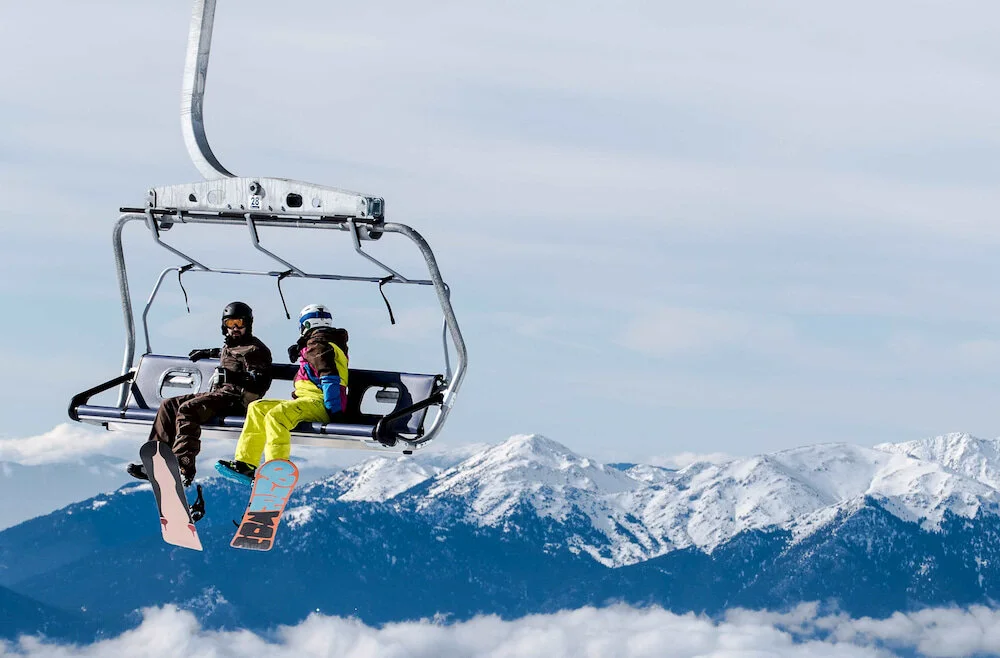
Interchangeable lens allow you to adjust the same pair of google to light conditions. Photo by Pamela Saunders on Unsplash
INTERCHANGEABLE LENSES
While it's all well and good to know your ideal light condition, the reality is that most of us who like sliding around on the snow take what we can get. It's likely that your answer to these questions is "all the above." If so, you're not alone. Most goggles on the market above the $100 range offer interchangeable lenses, letting you swap out the lens depending on the day's light conditions. Unless you only ski or snowboard a few times a year, it's definitely worth investing a little more in an interchangeable system so you can swap out your lenses throughout the day or season to match the light condition. Not only will this make you safer on the mountain, but it will also improve your skiing or riding immeasurably.
Lower end interchangeable lens pop in and out, whereas the state of the art goggles on the market features magnetic lens technology. Changing lens with magnetic technology, like that found on the Smith I/O Mag, means you can swap lenses fast, efficiently, and without even removing your gloves.
WHAT DOES MAG MEAN IN GOGGLES?
Mag means magnetic quick release. Just because ski goggles have interchangeable lens, it doesn't mean that the process of changing lens is fast or easy. Quick release systems like those found in the Smith I/O Mag are so revolutionary. It makes it more convenient to switch lens depending on the light and conditions and as they change throughout the day.
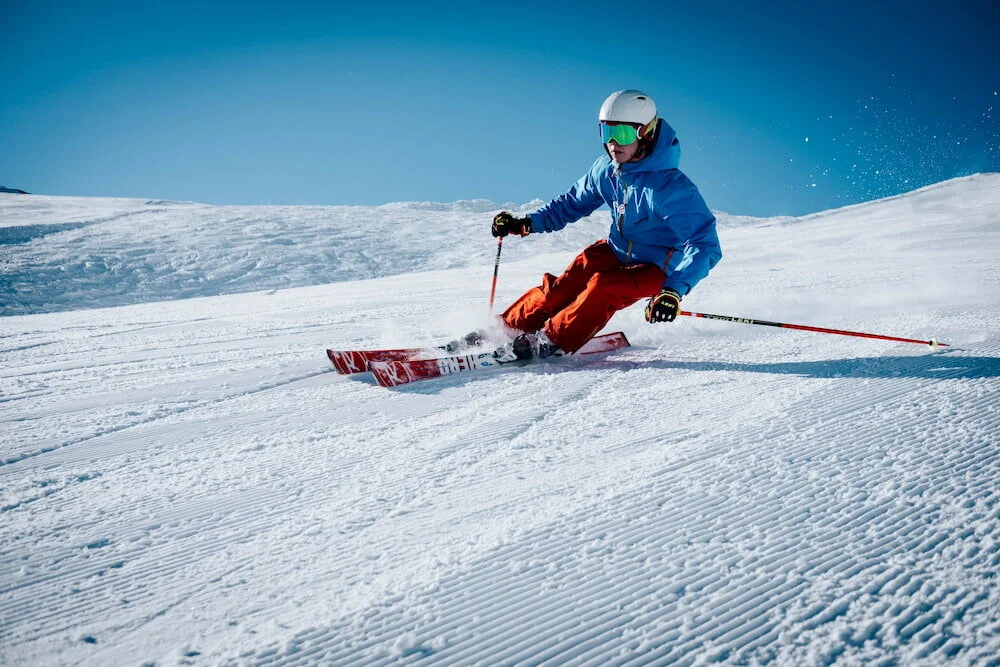
Lens technology allows you to stay focused on your activity instead of worrying about your eyes. Photo by Maarten Duineveld on Unsplash
LENS TECHNOLOGY (POLARIZED AND PHOTOCHROMIC LENS)
Anyone who has spent hours staring at snow, either in bright or flat light, can attest that the sea of white can play tricks on the eyes regardless if you're looking through tinted ski goggles. If you ski or ride more than 10 days in a season, it's also worth investing in lenses that are photochromatic (alters the tint of the lenses in response to changes in ambient light) or polarized (divides light so it enters the eye through just one axis).
Each brand usually calls their own lens technology by a trademarked name, such as Smith Optic's Chromapop. And most skiers prefer photochromatic lenses over polarized lens, which often aren't the best for seeing the difference between soft and icy snow. Polarized lenses are designed to reduce intensely reflected light, but when you are looking at snow you might lose certain details that you can see better with photochromatic technology.
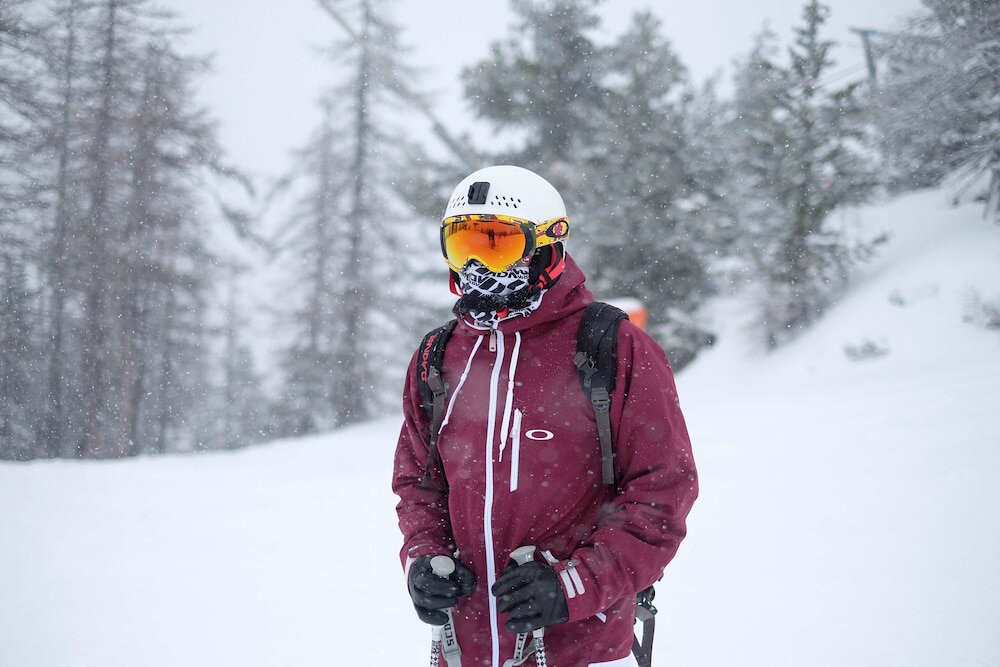
Fog fighting technology provides ventilation even when the weather is not cooperating. Photo by Steve Johnston on Unsplash
UV PROTECTION
As with sunglasses, it's not enough for a goggle lens to be tinted or darkened. Darkened lenses could be harmful as they dilate your pupils to allow even more UV rays into your eyes. This can lead to sunburn inside your eyeballs - if the lens doesn't already come with UV400 protection.
We can't see ultraviolet wavelengths, but they can damage eyes and lead to cataracts, cancer, and structural damage to the retina.
Whichever goggle lens you choose, look for labeling that says 100% UV ray protection (also labeled as "UV400"). This means that the sunglasses can block light rays with 400 nanometers or less in wavelengths (anything bigger than 400 nanometers is no longer UV light). You want a guarantee it will block the three kinds of UV rays and won't actually cause more damage to the eyes than if you wore nothing at all.
LENS SHAPE AND FIT
We prefer a ski snowboard goggle with a spherical lens shape to flat lenses because they mirror how the eyeball receives information. But, like everything else on this list, spherical lenses bump up the price tag on a pair of goggles because they are a little harder to make.
ANTI-FOGGING TECHNOLOGY
Fogged goggles are the worst, but ventilation and anti fog coating technology help a lot. (As does care and maintenance of your goggles, which should always be stored in a dry, room-temperature location.)
HELMET COMPATIBILITY
Most modern goggles on the market are helmet-compatible, but as you purchase your goggles, check out the corresponding brand's helmet designs. When you purchase goggles, you are marrying into a system, so to speak. While you may find some helmets and some goggles of different brands match up decently along the forehead and at the temples, if you purchase the same brand of each, this is almost guaranteed. You may also want to take into account how this system works with your ski jacket hood. And it's important-aside from avoiding the dreaded Gaper's Gap, a seamless fit also helps prevent fogging lenses and exposure to the elements.
Related: The Best Ski Helmets
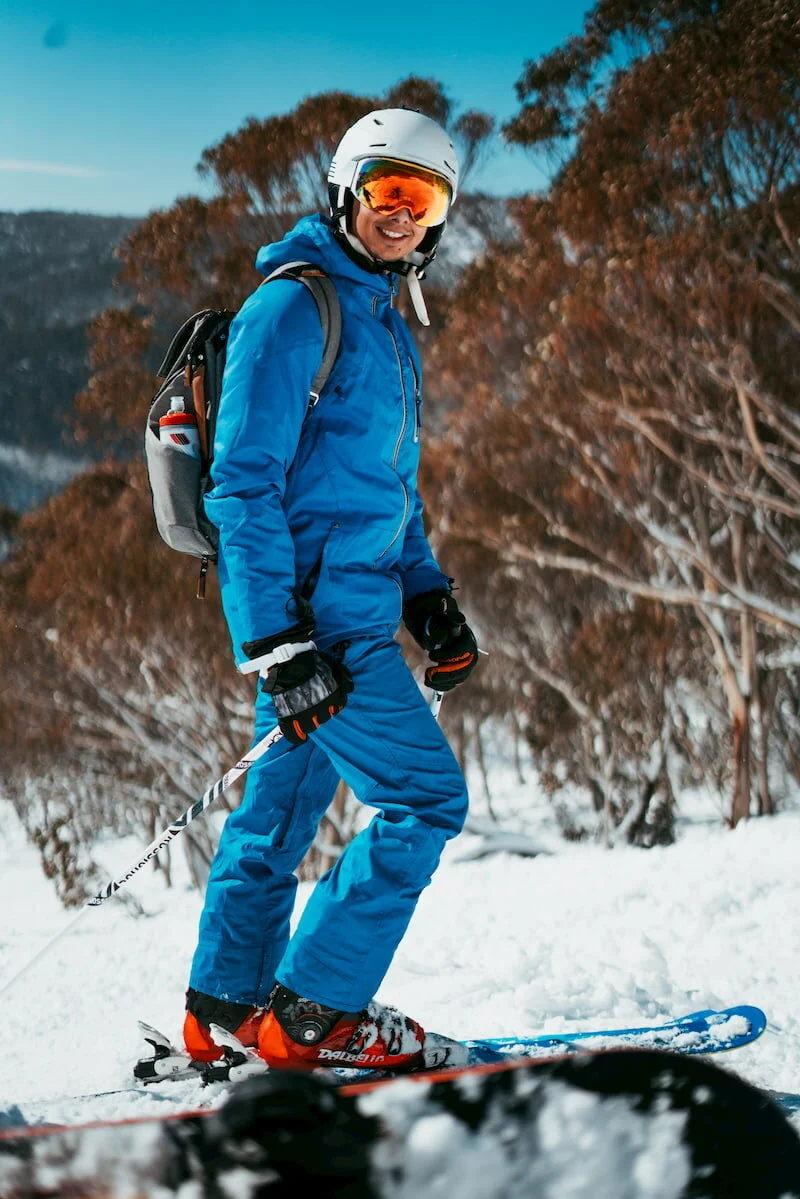
Fit—both with your face and helmet—are an important aspect of choosing a ski goggle. Photo by Fezbot2000 on Unsplash
FIT
Consider your face size and features when selecting a goggle. Lenses usually come in small, medium, or large sizes. When in doubt, size up because your goggle's second objective after improving your sight is to protect your face from snow, wind, and sun.
The only difference between a men's ski goggle, women's ski goggle, and most kids ski goggles is size. So when you pick out a goggle that fits your face, it may come with a label that doesn't match with how you identify.
what does ASIAN FIT mean in goggles?
Most major goggle brands offer an Asian fit for all their leading models, like the Oakley Flight Deck. This video from SportRx on why this is an important consideration for certain face shapes. The video describes it as fitting people who have a "flat nose bridge or no nose bridge."
Fit is important to create a full seal around your nose. With Asian fit goggles, there's more foam around the nose area to prevent snow from coming through the gap.
OVER THE GLASSES, AKA "OTG" SKI GOGGLES
Many brands offer OTG ski goggles (meaning "over the glasses"). OTG ski goggles fit folks who wear glasses while skiing. If you fall in that category, it's an important feature to look for so your glasses won't be squished against your face. Our upgrade winner, the Oakley Flight Deck with Prizm Lens, is compatible with eyeglasses.
FURTHER RESOURCES
Here are a few more resources on how to choose the right goggle for you that you might find helpful:
REI: How to Choose Snow Goggles
Evo : How to Choose the Right Size and Fit for Snow Goggles
HOW TO CHOOSE THE BEST SKI GOGGLES FOR YOU
Before you hit the purchase button on any of the goggles listed below, consider what kind of skier or rider you are and what your needs are. Follow the links to each brand's site and play around with their interactive lens graphics to find the right one for you and where you ride.
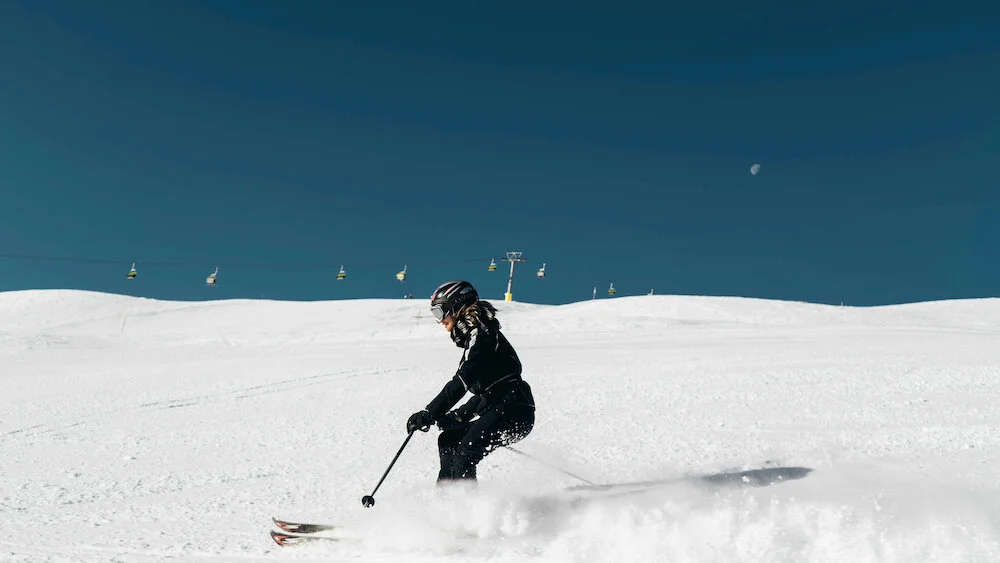
Goggles are one of the first pieces of gear skiers should invest in because they touch your face. Photo by Valentin B. Kremer on Unsplash
Also, consider how many days a year you ski and how important it is for you to have the best technology on the market. If you only get out every so often or like to stick to groomers (where you are less likely to come across variations in the snow that are hard to see), you might not need state of the art goggles.
If you are interested in stepping up your skills, skiing all the time, and/or are really into the sport, it's definitely worth it to buy nice rather than buy twice. Remember too that with certain models with interchangeable lenses, you can always start with less expensive lenses and then purchase the more technical lenses down the line.
Another pro tip is to shop around for sales. At the end of the season (spring), many retailers and brands will put the last year's color choices on sale to move inventory. Even during peak season, you might be able to find a last season's model. Treeline Review's Deal Finder Page scans sales at outdoor retailers for the items we recommend in our guides and alerts you when they are on sale.
SKI GOGGLE CARE AND MAINTENANCE
STORAGE
Goggles can be temperamental, especially when it comes to fogging up. To reduce the fogging, I bring mine inside every night and store them at room temperature. I make sure the face foam dries out but doesn't get too warm. I know some folks who drive with the goggles on the dash to get warm on their way to the resort — just be careful they don't heat up to the point where the plastic is in danger of melting.
PREVENT SCRATCHES
It's also easy to scratch goggles. When you aren't skiing, take them off your helmet and store them in the soft cloth bag they came in, which usually doubles as a cleaning cloth. Some folks invest in hard plastic goggle cases that function like hard plastic glasses cases.
USE APPROPRIATE CLEANING CLOTHS
To clean the outer lens, use a microfiber cleaning cloth. Never use paper towels or rags.
INNER LENS
Avoid cleaning the inner lens if possible. Most manufacturers apply an anti-fog coating which can be damaged by cleaning or wiping.
These small steps will preserve the longevity of your goggles, making your investment last longer. Skiing and snowboarding are expensive sports but most of the gear you purchase, including goggles, should last for several years.
For more on how to care for your goggles, check out a few helpful tips from EyeRim.
How To Change Giro Article Goggle Lenses
Source: https://www.treelinereview.com/gearreviews/best-ski-goggles
Posted by: antunezsearattables.blogspot.com
0 Response to "How To Change Giro Article Goggle Lenses"
Post a Comment